Factories that rely on steam often overlook the hidden losses caused by aging or mis‑adjusted accessories. A systematic audit of steam system accessories can uncover energy waste, reduce downtime, and protect equipment. Below is a practical guide to help you evaluate the most critical components and make data‑driven decisions.
Understanding the Financial Impact of Unchecked Steam Accessories
Even a small leak in a steam trap or an oversized control valve can cost thousands of dollars per year in wasted heat and unnecessary wear. By quantifying these losses, you create a clear business case for corrective action and demonstrate ROI to senior management.
Key Steam System Accessories to Inspect During an Audit
Steam Traps
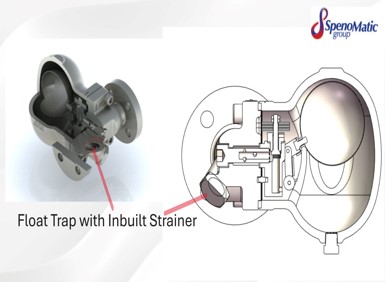
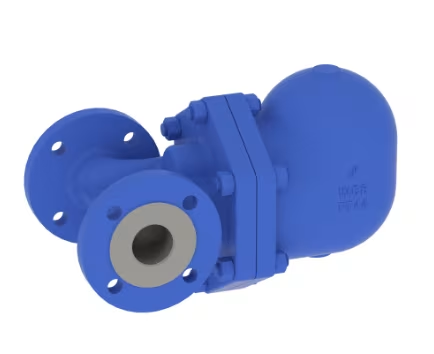
Steam traps remove condensate while preventing live steam from escaping. Faulty traps increase fuel consumption and can cause water hammer. Consider the ball float steam trap as a reliable option for high‑temperature applications.
Control Valves
Control valves regulate pressure and flow to match process demand. Improper sizing or worn seats lead to pressure drop and energy inefficiency. Modern control valves integrated with digital controllers provide tighter set‑point control.
Condensate Pumps
Efficient condensate pumps return condensate to the boiler with minimal energy input. Mismatched pump curves cause excess motor load and premature failure. Verify that pump capacity aligns with the system’s condensate volume.
Pressure Reducing Valves
These valves step down high‑pressure steam to the levels required by downstream equipment. Incorrect set‑points increase boiler load and can damage sensitive processes.
Instrumentation and Controls
Accurate pressure, temperature, and flow sensors are the eyes of any steam system. Out‑of‑date instrumentation can mask real‑time inefficiencies and delay corrective action.
How to Evaluate the Performance of Steam Traps and Control Valves
Leakage and Bypass Testing
Use a calibrated trap tester to measure condensate removal versus steam loss. For control valves, perform a seat‑leak test to detect internal bypass.
Response Time and Setpoint Accuracy
Record how quickly a valve reaches its target position after a signal change. Fast response reduces overshoot and stabilizes process conditions.
Assessing Condensate Pump Efficiency and Pressure Reducing Valve Settings
Pump Curve Matching
Plot the pump’s performance curve against actual system demand. Selecting a pump that operates near its best‑efficiency point cuts motor electricity use.
Valve Sizing and Pressure Drop
Calculate the required flow coefficient (Cv) for each pressure reducing valve. Oversized valves create unnecessary throttling losses.
Calculating ROI and Payback for Steam Accessory Upgrades
Energy Savings Estimation
Apply the formula ΔQ = m·Δh to estimate heat saved by fixing leaks or improving valve control. Convert the saved heat to fuel cost using your plant’s energy price.
Reduced Downtime Cost Benefits
Fewer unplanned shutdowns translate directly into higher production output and lower overtime expenses.
Implementing a Continuous Monitoring and Maintenance Program
Real‑time Monitoring Technologies
Integrate smart sensors and a SCADA dashboard to track trap performance, valve positions, and pump power draw 24/7. Alerts can trigger preventive actions before a failure occurs.
Preventive Maintenance Scheduling
Develop a calendar based on manufacturer recommendations and audit findings. Regularly cleaning or replacing steam traps, calibrating valves, and testing pumps extends equipment life.
Compliance, Safety, and Documentation Requirements for Steam Systems
Regulatory Standards Overview
Adhere to ASME, ISO 50001, and local safety codes. Properly rated accessories and documented inspections protect both personnel and the plant.
Record‑keeping Best Practices
Maintain an electronic log of test results, maintenance actions, and performance trends. This documentation supports audits and continuous improvement initiatives.
For a comprehensive review tailored to your facility, explore our industrial engineering solutions or learn from our EPC experience across Africa. If you operate boilers, chillers, or biomass systems, our dedicated division can help integrate steam upgrades with existing plant assets. Reach out today to schedule a steam system audit and start capturing savings.