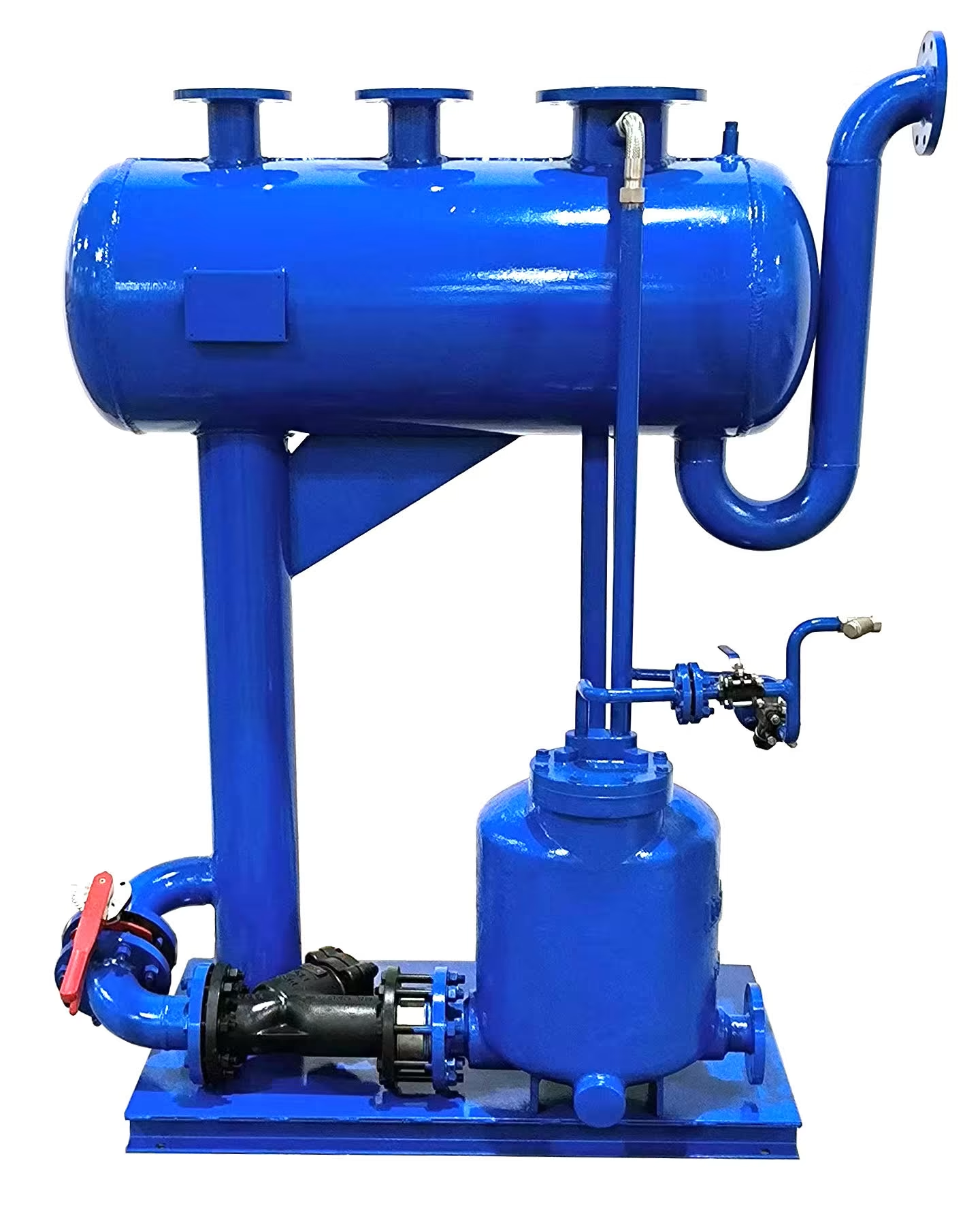
In the world of steam operations, efficiency is paramount. A condensate recovery system can significantly enhance your steam system’s performance by ensuring that valuable resources are not wasted. By implementing a reliable condensate pump, you can reclaim hot condensate, leading to substantial savings on both boiler fuel and water costs. This article delves into the critical role of condensate recovery systems, their benefits, and essential factors to consider.
Understanding the Role of Condensate Recovery Systems in Steam Operations
Condensate recovery systems are designed to capture and return steam condensate back to the boiler. This process not only conserves energy but also maximizes the efficiency of steam systems. By returning hot condensate, facilities can reduce the demand for fresh water and minimize the use of chemicals required for water treatment.
Key Benefits of Implementing a Condensate Recovery System
Reducing Boiler Fuel Costs Through Effective Condensate Return
By returning hot condensate to the boiler, you can significantly reduce the fuel required to generate steam. Hot condensate retains a large amount of energy, which translates into lower fuel consumption and reduced operational costs. This practice enhances overall steam system efficiency, making your operations more sustainable.
Achieving Boiler Water Savings with Condensate Pumps
Integrating condensate pumps into your steam system allows for the efficient collection and return of condensate. This not only cuts down on the amount of treated water needed but also decreases the costs associated with water sourcing and treatment. For industries that rely heavily on steam, such as food processing and manufacturing, these savings can be substantial.
Evaluating the Efficiency of Your Current Steam System
Identifying Inefficiencies in Steam Condensate Return
To optimize your steam system, it’s essential to assess how well your current condensate recovery system is performing. Look for signs of inefficiency, such as low return rates or excessive energy consumption. Regular evaluations can help identify areas for improvement, ensuring that your steam operations run as smoothly as possible.
The Economic Impact of Condensate Recovery Systems
Calculating Potential ROI from Implementing a Condensate Recovery System
Investing in a condensate recovery system can yield significant returns over time. By quantifying the savings from reduced fuel and water costs, you can calculate the potential return on investment (ROI). Many facilities find that the savings from improved steam system efficiency far outweigh the initial investment, making it a financially sound decision.
Factors to Consider When Selecting a Condensate Pump
Sizing and Performance Criteria for Optimal System Efficiency
When choosing a condensate pump, it’s crucial to consider factors such as sizing, capacity, and performance specifications. Properly sized pumps ensure optimal efficiency and reliability in your condensate recovery system. Consult with experts to determine the best options tailored to your specific operational needs.
Maintenance Best Practices for Condensate Recovery Systems
Ensuring Reliability Through Regular Monitoring and Maintenance
To keep your condensate recovery system functioning effectively, implement a routine maintenance schedule. Regular inspections and monitoring can help prevent issues before they become costly problems, ensuring that your steam system remains efficient and reliable.
In conclusion, investing in a condensate recovery system can lead to significant boiler fuel and water savings, enhancing your steam system’s overall efficiency. By understanding the benefits and carefully selecting the appropriate equipment, you can achieve substantial operational cost reductions. For further assistance and tailored solutions, contact Spenomatic Group today.