Steam‑driven processes lose efficiency when condensate builds up in the system. A ball float steam trap provides a simple, reliable way to keep condensate moving, protect piping from water hammer, and lower fuel costs.
Common sources of lost money and downtime
Many plants in Kenya and across Africa overlook the hidden cost of trapped condensate. Leaking seals, oversized traps, and improper sizing cause steam to escape, increase fuel consumption, and trigger unplanned shutdowns. When water hammer strikes, it can bend elbows, damage valves, and force costly repairs.
Continuous condensate discharge and water‑hammer prevention
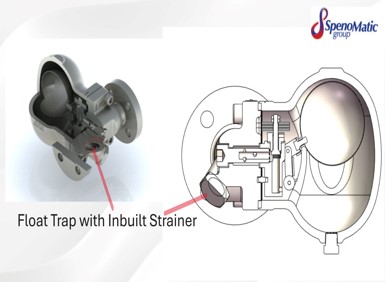
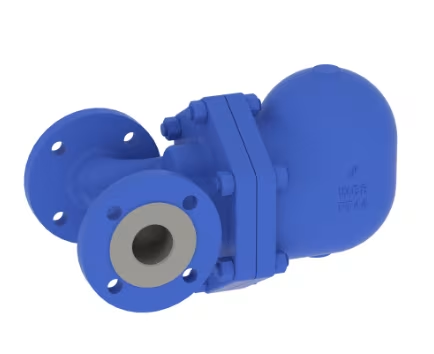
A ball float trap uses a floating ball to sense condensate level. As condensate collects, the ball rises and opens a valve, allowing water to drain continuously. This steady flow eliminates the sudden pressure spikes that cause water hammer, keeping pipelines and heat exchangers safe.
Capital cost versus operating cost
The upfront price of a ball float trap is modest compared with the long‑term savings from reduced steam loss. While a premium‑priced trap may look attractive, the operating expense of a low‑efficiency device quickly outweighs any initial discount.
Maintenance, consumables, spares and monitoring
Ball float traps have few moving parts and require only periodic inspection of the float and seat. Spare balls and seals are inexpensive, and many suppliers offer monitoring kits that alert operators to performance drift before a failure occurs.
Payback, risk reduction and lifecycle value
Typical payback periods range from six to twelve months when a plant reduces steam loss by 5‑10 %. The added safety margin against water hammer also lowers insurance premiums and extends the life of downstream equipment such as heat exchangers.
The danger of buying on price alone
Choosing a trap without proper sizing data or test results can lead to undersized devices that flood the system or oversized units that leak steam. Always request performance curves and, if possible, a field trial.
Why ignoring maintenance, warranties, safety and training hurts
A trap without a warranty or a clear maintenance plan can become a hidden liability. Training operators to recognize trap failure signs—such as audible hissing or unexpected temperature drops—prevents minor issues from becoming major outages.
Integrating utilities, energy, water and process equipment
Steam, water, and process heat are interdependent. Treating them as separate problems often results in over‑engineered solutions. A well‑chosen ball float trap ties condensate removal to overall energy efficiency, supporting a holistic utility strategy.
For plants that run boilers, chillers or biomass systems, the right trap can be a game‑changer. Learn how Spenomatic’s boilers, chillers and biomass systems portfolio integrates with steam trap solutions to deliver total‑plant performance.
Our EPC experience across Africa shows that early trap selection reduces commissioning time and avoids costly rework. Ready to improve your steam system? Contact Spenomatic Group for a free sizing assessment.