Understanding the Complete Steam Journey and Why Every Component Matters
Every kilogram of steam you produce has a job to do.
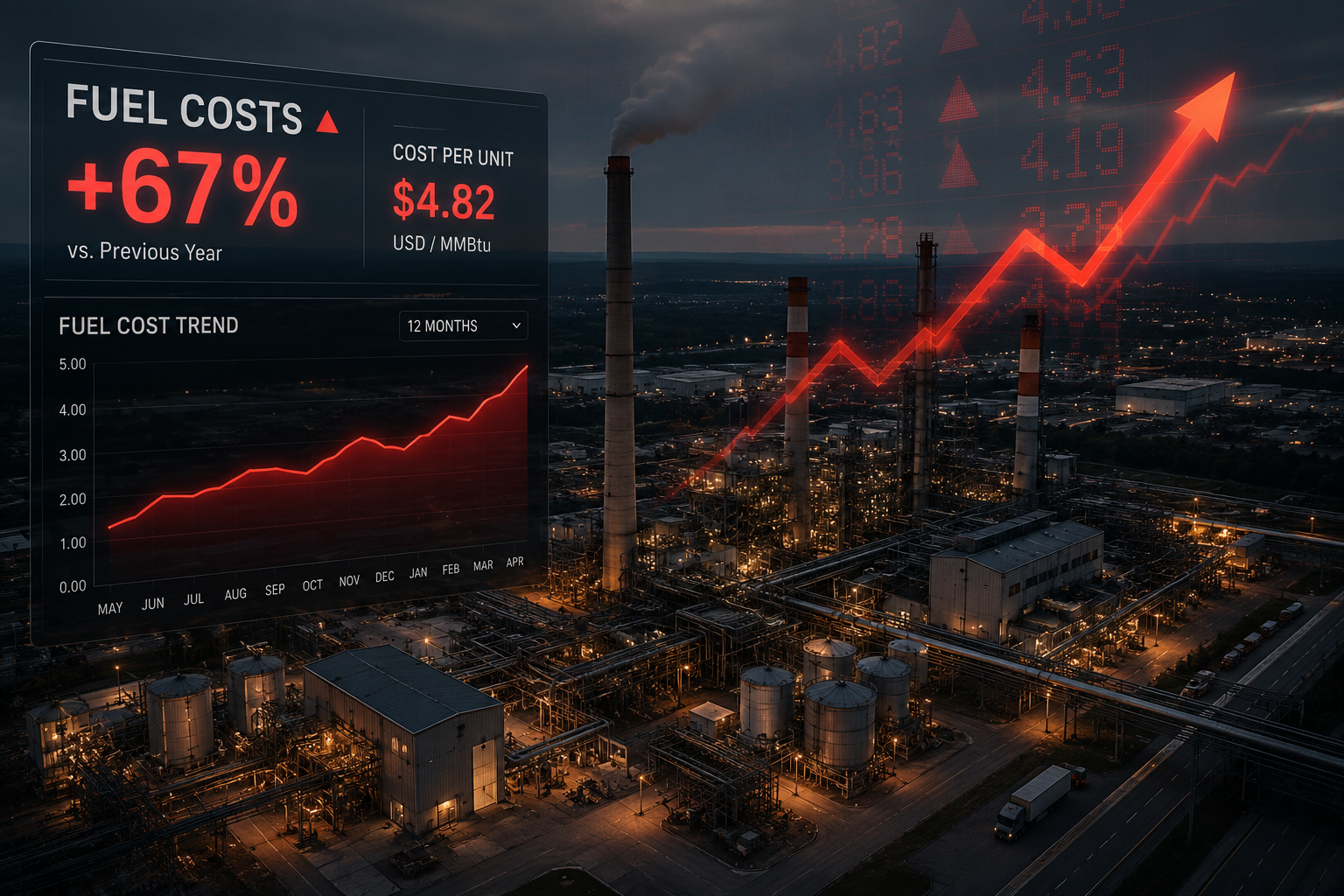
When manufacturers think about reducing fuel costs, the first place they usually look is the boiler.
While boiler efficiency is important, the boiler is only the beginning of the journey. Once steam leaves the boiler, it passes through an entire network of steam system accessories and boiler accessories before reaching the equipment that actually uses the heat.
Every valve, steam trap, pressure reducing valve, flow meter, strainer, and condensate pump along that journey affects how efficiently your plant operates.
If just one of these components is incorrectly selected, poorly maintained, or missing altogether, your factory could be wasting significant amounts of energy every day without realising it.
Understanding the complete steam journey is the first step towards reducing biomass consumption, improving process efficiency, and lowering operating costs.
The Steam Journey Begins
A boiler generates steam by converting water into high-temperature, high-pressure steam.
This steam is valuable energy.
However, producing steam is only part of the process.
The real challenge is delivering that steam safely, efficiently, and at the correct pressure and temperature to every piece of production equipment.
This is where a properly designed industrial steam system becomes essential.
Step 1: Steam Leaves the Boiler
As steam exits the boiler, it enters the main steam distribution line.
At this point, steam is typically at a much higher pressure than the production equipment actually requires.
High pressure is useful for transporting steam over long distances because it reduces pipe sizes and minimises heat loss.
However, very few production processes operate directly at boiler pressure.
This is why pressure management becomes one of the most important parts of the steam system.
Step 2: Cleaning the Steam
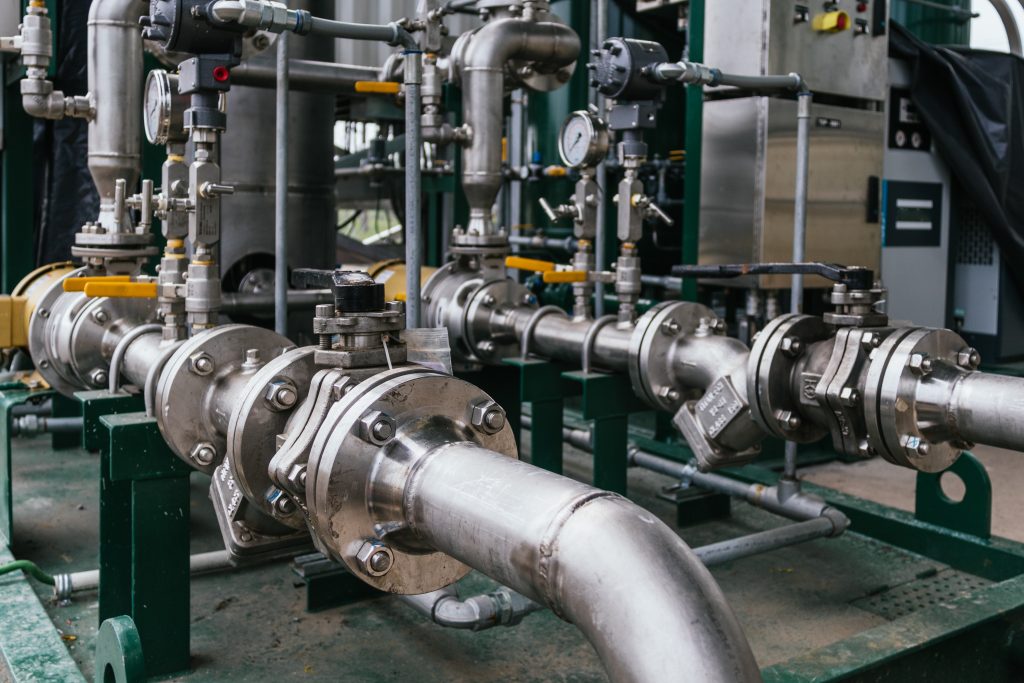
Before steam reaches sensitive equipment, impurities such as welding slag, rust, and pipe scale should be removed.
This is the role of the Y-Type Strainer.
The strainer protects downstream equipment including:
Without proper filtration, debris can quickly damage valve seats and internal components, resulting in steam leaks, equipment failure, and unnecessary maintenance costs.
Step 3: Reducing Steam Pressure
Most industrial equipment requires lower operating pressure than the boiler produces.
A Pilot Operated Pressure Reducing Valve (PRV) or Self-Acting Pressure Reducing Valve reduces steam pressure to the level required by the application.
Correct pressure reduction provides several important benefits:
- Better heat transfer
- Improved product quality
- Lower biomass consumption
- Reduced equipment wear
- Increased process stability
A complete PRV station also includes pressure gauges, separators, safety valves, and bypass arrangements to ensure safe and reliable operation.
Step 4: Measuring Steam Flow
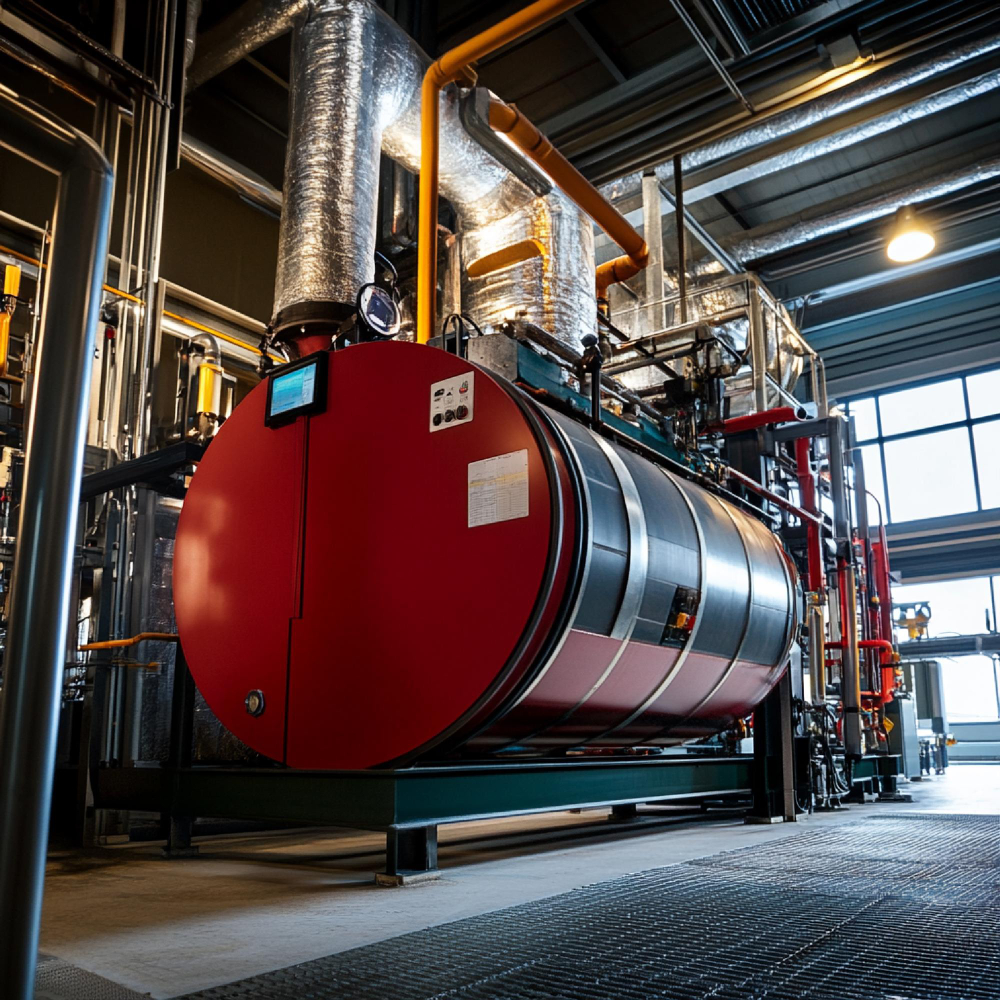
One of the biggest challenges in many factories is that steam consumption is never measured.
Without accurate data, it becomes impossible to know where energy is being lost.
This is why modern industrial facilities increasingly install Vortex Steam Flow Meters.
These meters allow engineers to:
- Measure steam consumption
- Detect leaks
- Monitor department usage
- Improve boiler efficiency
- Reduce biomass waste
As the saying goes:
What you cannot measure, you cannot manage.
Step 5: Steam Transfers Heat
Steam now reaches process equipment such as:
- Heat Exchangers
- Jacketed Kettles
- Dryers
- Sterilisers
- Steam Tracing Systems
- Industrial Process Lines
As steam releases its latent heat, it changes back into hot water known as condensate.
This is where another important steam system accessory begins its work.
Step 6: Removing Condensate
Condensate must be removed continuously while preventing valuable live steam from escaping.
This is the job of the Steam Trap.
Different applications require different steam trap designs.
Thermodynamic Steam Trap
Ideal for:
- Steam mains
- Distribution lines
- High-pressure applications
Its simple single-disc design offers excellent durability and low maintenance.
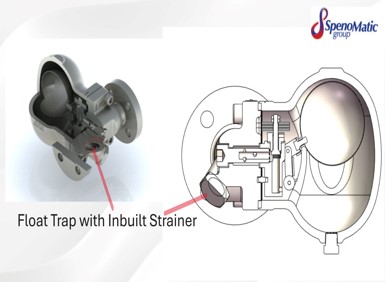
Ball Float Steam Trap with Inbuilt Strainer
Ideal for:
- Heat exchangers
- Process heating
- Continuous condensate removal
Its integrated strainer eliminates the need for a separate inline strainer, reducing installation costs while protecting internal components from debris.
Inverted Bucket Steam Trap
Ideal for:
- Dirty steam
- Water hammer conditions
- High-pressure industrial applications
Selecting the correct steam trap ensures efficient condensate removal while preventing costly steam losses.
Step 7: Recovering Valuable Heat
Many facilities still discharge hot condensate directly to drain.
Doing so wastes energy that has already been paid for.
A Steam Operated Condensate Pump recovers this hot condensate and returns it to the boiler.
This delivers multiple benefits:
- Reduced biomass consumption
- Lower water usage
- Reduced chemical treatment costs
- Lower electricity consumption
- Improved boiler efficiency
Recovering condensate is one of the quickest ways to improve the overall efficiency of an industrial steam system.
Step 8: Reducing Heat Loss
Even after steam reaches the correct destination, energy can still be lost through exposed valves, pumps, and heat exchangers.
This is where Removable Flexible Insulation Jackets make a significant difference.
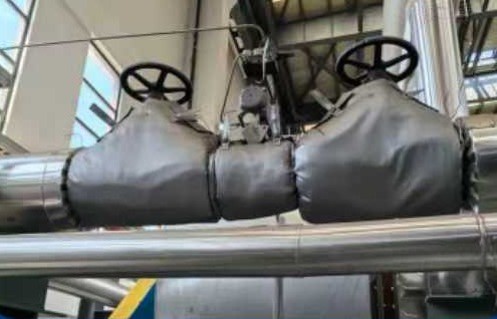
These German-standard insulation jackets:
- Reduce heat loss
- Improve operator safety
- Simplify maintenance
- Deliver rapid return on investment
Unlike traditional insulation, removable jackets can be taken off and reinstalled whenever maintenance is required.
Why Every Steam System Accessory Matters
Many factories focus only on the boiler.
In reality, every steam system accessory contributes to plant performance.
A properly engineered system combines:
- Y-Type Strainers
- Pressure Reducing Valves
- Steam Traps
- Control Valves
- Flow Meters
- Condensate Pumps
- Flexible Insulation Jackets
- Isolation Valves
Each component performs a specific role.
When these components work together, manufacturers benefit from:
- Lower fuel consumption
- Reduced maintenance
- Improved product quality
- Better process control
- Longer equipment life
- Lower operating costs
Why Choose Spenomatic Energy Solutions?
At Spenomatic Energy Solutions, we don’t simply supply Steam System Accessories in Kenya.
We engineer complete industrial steam solutions.
Our portfolio includes German-standard boiler accessories, steam accessories, industrial valves, steam traps, pressure reducing valves, flow meters, condensate pumps, insulation jackets, and complete steam system optimisation services, all supported by local engineering expertise across East Africa.
Whether you’re designing a new steam system or improving an existing plant, our engineers help identify hidden energy losses and recommend practical solutions that improve efficiency and reduce operating costs.
Book a Free Steam System Audit
If your factory is experiencing rising biomass consumption, inconsistent heating, excessive steam losses, or unexplained maintenance costs, the issue may not be your boiler—it could be your steam system.
Our engineers can assess your steam network, identify opportunities for improvement, and recommend the right steam system accessories, boiler accessories, and German-standard steam engineering solutions for your application.